00 / SOURCE BOUNDARY
What the official source supports
FindSpreadsheet currently exposes ten broad product collections. This page explains why each collection needs a different inspection method before a reader opens the corresponding main-site category. PikoBuy’s official guide supports the warehouse-photo stage; the category checklists below are independent editorial methods for using that stage more carefully. Every collection therefore needs its own measurement method, image sequence, variant trap, packaging decision and rejection rule before a row can be compared responsibly.
Sources:FindSpreadsheet product database ↗- FindSpreadsheet currently exposes ten broad product collections.Source:FindSpreadsheet product database ↗
- PikoBuy’s official workflow includes warehouse photo confirmation and defect checking.Source:PikoBuy beginner guide ↗
- Product type is one of the visible inputs in PikoBuy’s shipping estimator.Source:PikoBuy shipping estimate ↗
01 / WHY CATEGORIES MATTER
A category is an inspection plan, not merely a menu label
Shoes, T-shirts, jackets, wallets and electronics fail in different ways. A universal instruction such as check the QC photos is too vague to help. Category structure should tell the reader which photographs, measurements and packaging questions matter most. It should also make shipping variables visible: shoes may retain a box, jackets can occupy volume, electronics can require protective packing, and accessories may need close-ups of small hardware.
FindSpreadsheet organizes current product discovery into shoes, hoodies and sweaters, T-shirts, jackets, pants and shorts, headwear, accessories, jerseys, electronics and other items. The local category cards open those main-site collections directly. Before clicking, use the descriptions as a filter. If a record lacks the evidence that normally distinguishes a strong listing in that category, treat it as incomplete rather than assuming the missing detail will be resolved automatically.
Sources:FindSpreadsheet product database ↗- Choose evidence fields by product type.
- Connect measurements to fit-sensitive categories.
- Connect dimensions and packaging to parcel cost.
- Reject vague category labels that hide the actual item type.
02 / SHOES & APPAREL
Shoes and clothing require different measurement evidence
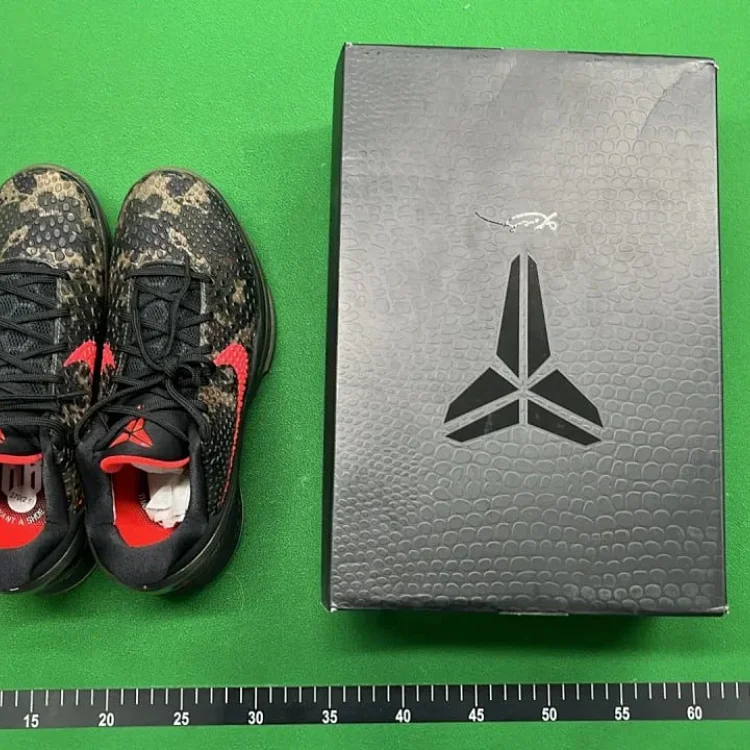
For shoes, compare the side profile, toe shape, heel construction, outsole pattern, insole or size label and visible finishing. The familiar size number is not enough; check which sizing system the listing uses and whether a measured insole view is needed. Decide whether the retail box is important for shape protection before removing it merely to reduce parcel volume. A lower shipping estimate is not useful if the packaging choice creates avoidable deformation.
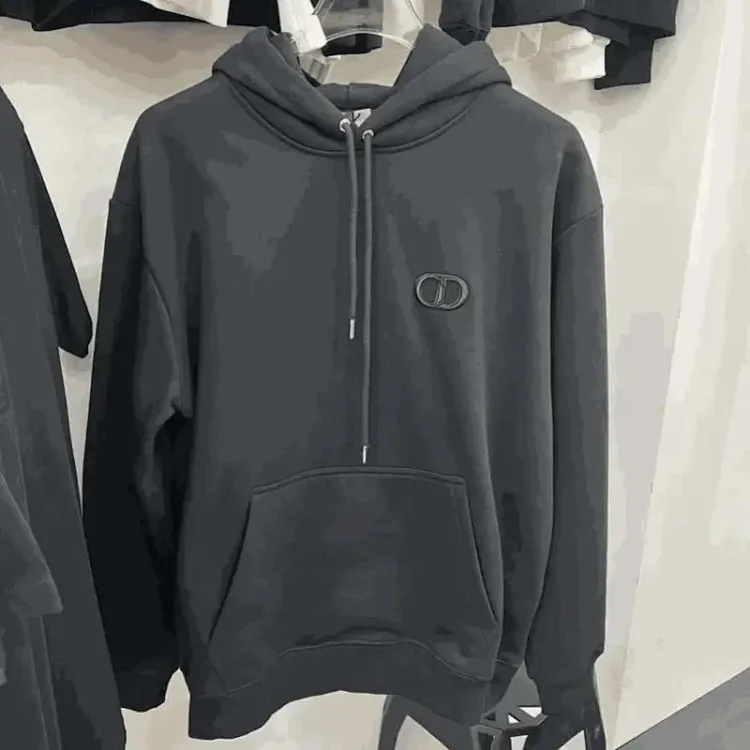
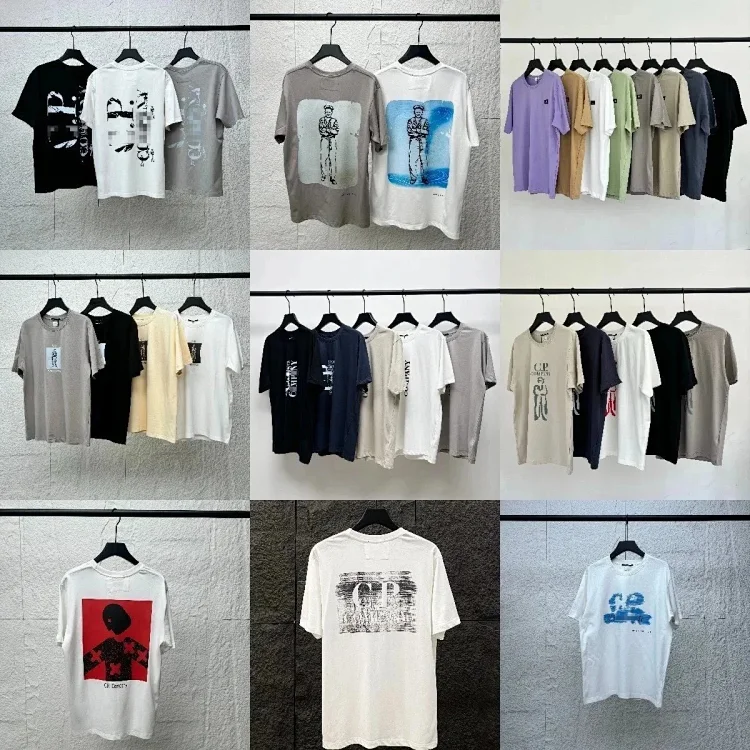
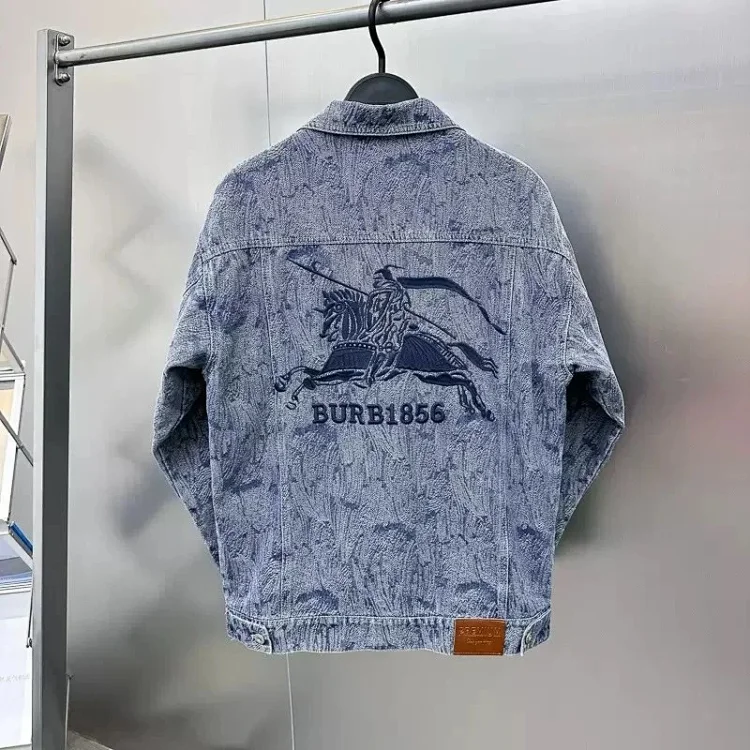
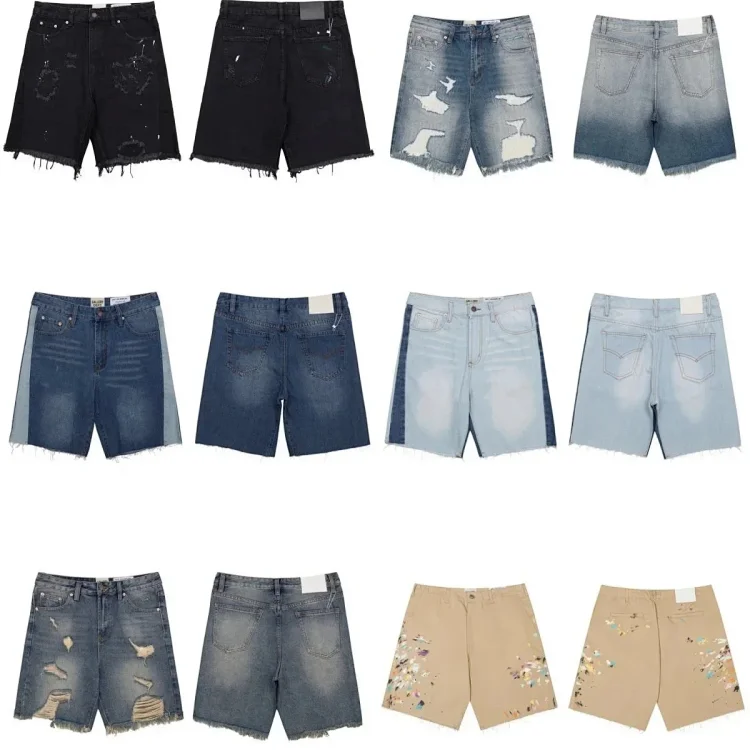
Sources:PikoBuy shipping estimate ↗For hoodies, T-shirts, jackets, pants and shorts, start with garment measurements rather than country labels. Chest width, body length, shoulder width, sleeve length, waist method, rise and inseam answer different fit questions. Then inspect seams, print or embroidery position, cuffs, hems, pockets, lining and hardware. Warehouse lighting can change colour perception, so describe visible tone cautiously and do not infer fabric composition from one photograph.
- Shoes: profile, sole, heel, label and packed weight.
- Tops: chest, length, shoulder, sleeve and print position.
- Bottoms: waist method, rise, inseam, hem and pockets.
- Jackets: outer material view, lining, closures and volume.
03 / HEADWEAR & ACCESSORIES
Small items need scale, interior and hardware context
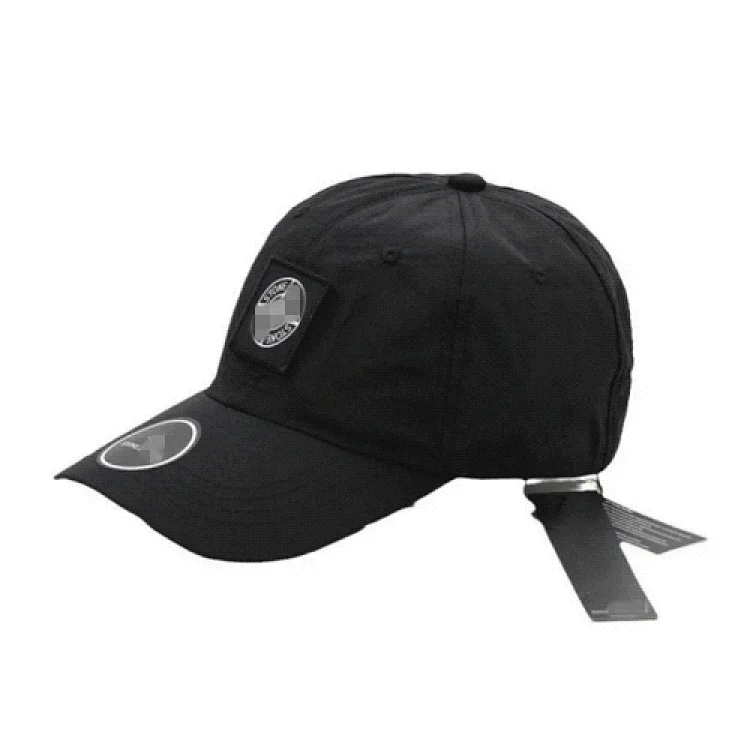
Headwear should show the crown shape, brim profile, embroidery or print placement, rear closure, inner label and usable circumference. A front image can hide a distorted crown or incomplete closure. If sizing is adjustable, record the adjustment range rather than treating adjustable as universal. Shape retention may also affect packaging: compressing a structured cap can save space while changing the product the reader expected to receive.
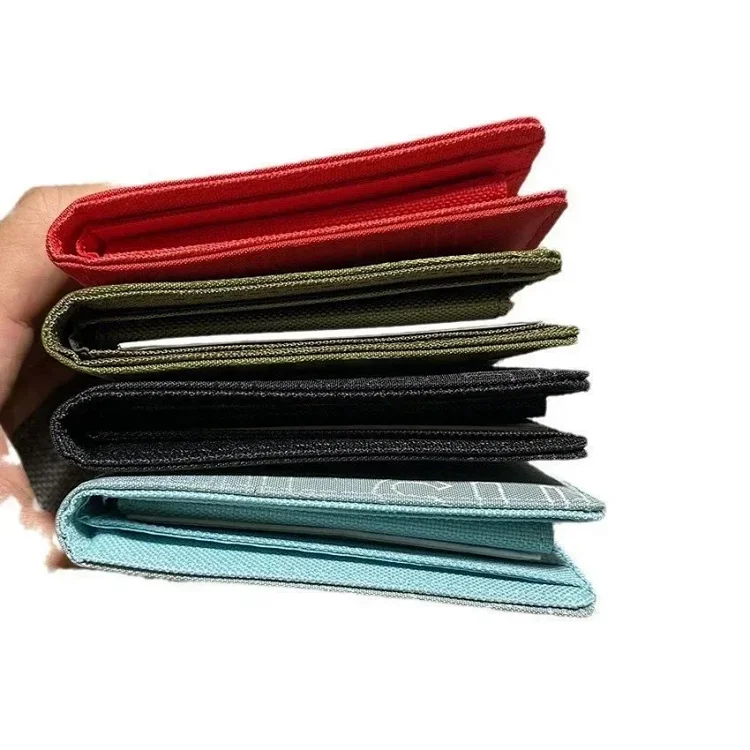
Accessories need dimensions and scale because a polished close-up can make a small item look larger or more substantial. For wallets, bags, belts and jewellery, check exterior dimensions, interior organization, closure, hardware, edge finishing, attachment points and included pieces. Record material claims only when the listing states them and keep visible texture separate from composition. Sharp or heavy hardware may also need protection from neighbouring goods in a consolidated parcel.
Sources:PikoBuy shipping estimate ↗- Include a measurement or scale reference.
- Request both exterior and interior views.
- Check closures, attachment points and included pieces.
- Protect rigid hardware during consolidation.
04 / JERSEYS & ELECTRONICS
Detail alignment and compatibility require explicit checks
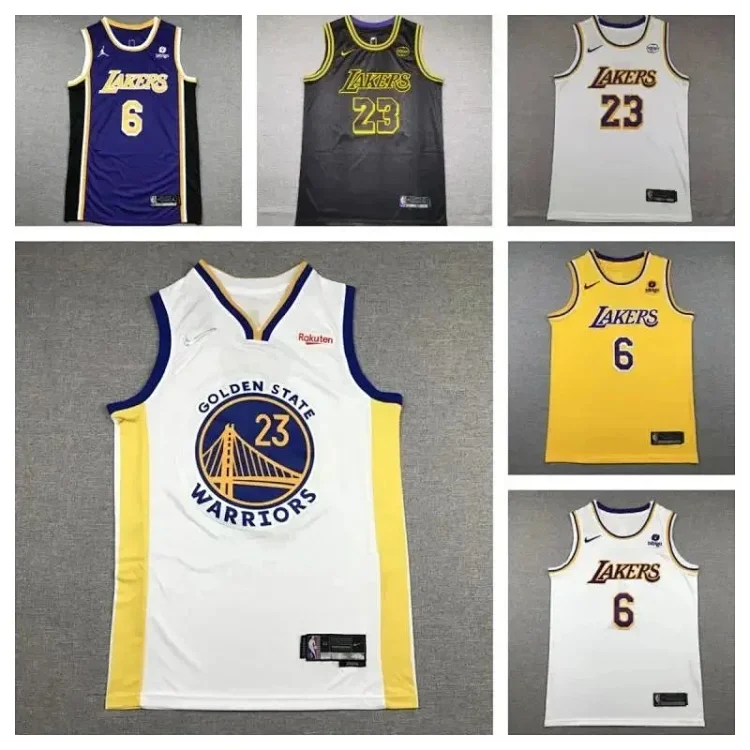
For jerseys, compare the selected team, season, player option and size before looking at smaller details. Then inspect badge and patch placement, number alignment, name-set spacing, sleeve treatment, fabric texture and measurements. A listing with many variants can display photographs from one option while the order uses another. Save the exact selection and compare the warehouse item with that selection rather than with the most attractive gallery image.
Electronics require a more conservative method. Record the exact model label, regional or voltage compatibility, connector type, included components, seller specification and packaging condition. PikoBuy’s shipping terms say special and professional products may not receive professional inspection. A visible model label or sealed box does not prove battery health, internal condition, wireless compatibility or long-term function. Check destination restrictions and route acceptance before assuming the product can ship normally.
Sources:PikoBuy shipping estimate ↗PikoBuy forwarding and shipping terms ↗- Jerseys: selected option, patches, numbers and measurements.
- Electronics: model, compatibility, included parts and seals.
- Do not convert external appearance into a performance claim.
- Review shipping restrictions before purchase where possible.
05 / OTHER ITEMS
Other Stuff should still describe a real inspection method
A miscellaneous category is necessary, but it should not become a place where records lose their identity. Name the actual product type and explain its use, material claim, dimensions, likely weight, fragile features, included pieces and possible shipping restrictions. If the item is clothing, electronics, food, personal care or another regulated or return-sensitive category, move the important checks from the more specific category instead of using a generic other-items checklist.
Sources:PikoBuy returns and exchanges ↗PikoBuy shipping estimate ↗The return policy demonstrates why classification matters. It lists customized goods, intimate apparel, food, second-hand items, opened sealed products and multiple specialist categories with different conditions. A vague category can hide the very rule a buyer needs to read before opening packaging or requesting warehouse handling. When classification remains uncertain, pause the record and resolve the item type rather than publishing a confident but unusable description.
Sources:PikoBuy returns and exchanges ↗- Name the product type in plain language.
- List dimensions, pieces and fragile features.
- Check return-sensitive seals and category rules.
- Check shipping restrictions before parcel planning.
06 / BEFORE YOU CLICK
Use the main-site category as the start of comparison, not the end
Opening a FindSpreadsheet category should produce several candidates for comparison. Do not judge an isolated record from its title and first image. Compare source identifiers, option context, visible construction, measurements, price currency, saved images and check dates across similar rows. A product with a higher source price may carry better evidence; a cheaper record may simply omit the option or measurement that explains the difference.
Sources:FindSpreadsheet product database ↗After narrowing the candidates, open the current source destination and repeat the match before using PikoBuy. Save the chosen raw link and option, then follow the official process through purchase, warehouse photos and parcel submission. The category page helps organize discovery; the live source, official account and warehouse evidence determine the later decisions. Keeping those roles separate prevents the category label from becoming an unsupported quality claim.
Sources:PikoBuy shipping estimate ↗Category pages reduce search noise. They do not replace source matching, warehouse review or final route selection.
NEXT / PRODUCT RESEARCH
Continue with a traceable product record
Search the main database for a current product record, preserve the source URL and date, and keep official PikoBuy account actions separate from independent research.
Browse the product database ↗