00 / SOURCE BOUNDARY
What the official source supports
This page combines PikoBuy’s published six-stage shopping workflow with the dated product records on FindSpreadsheet. PikoBuy supports claims about its own purchasing, warehouse and parcel process; FindSpreadsheet supports the product titles, categories, images, source prices and outgoing links shown in its database. Neither source proves a seller, product or future shipping result permanently.
Sources:FindSpreadsheet product database ↗PikoBuy beginner guide ↗- PikoBuy supports searches or pasted product links from Taobao, Tmall, 1688, Weidian and Yupoo.Source:PikoBuy beginner guide ↗
- A spreadsheet is independent from PikoBuy order, payment, warehouse and support systems.Source:Research source methodology ↗
- Product availability, price and options may change after a row is published.Source:FindSpreadsheet product database ↗
01 / START WITH THE OBJECT
A spreadsheet record is research evidence, not an order record
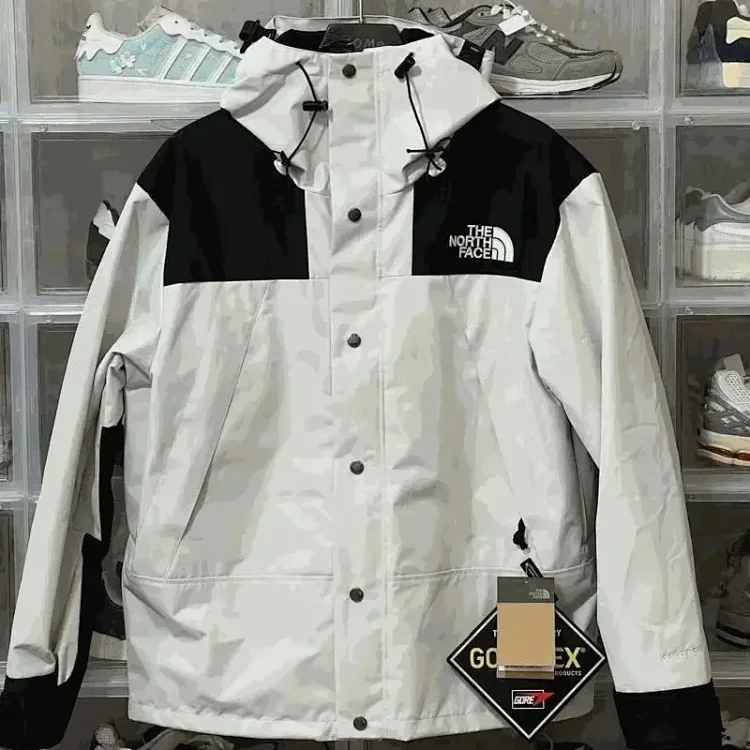
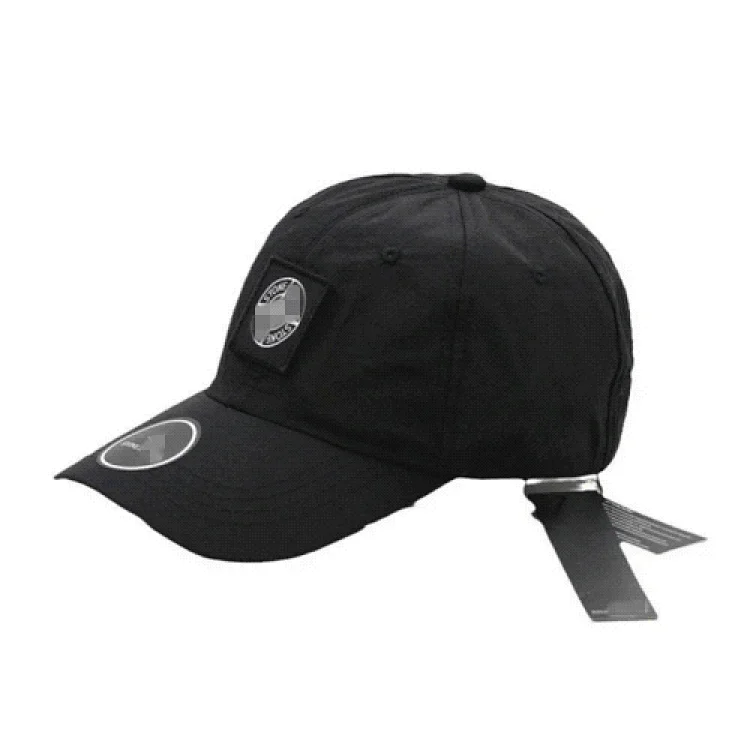
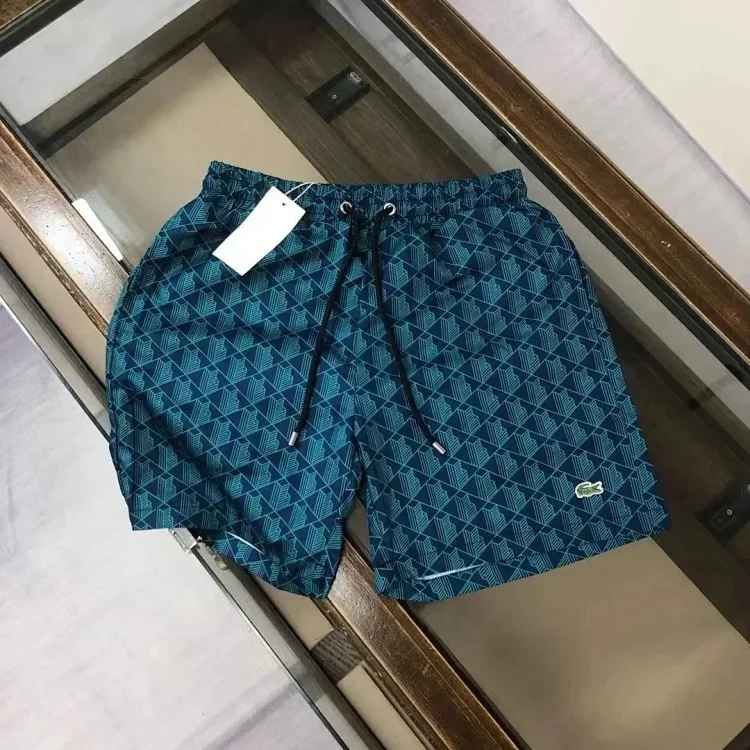
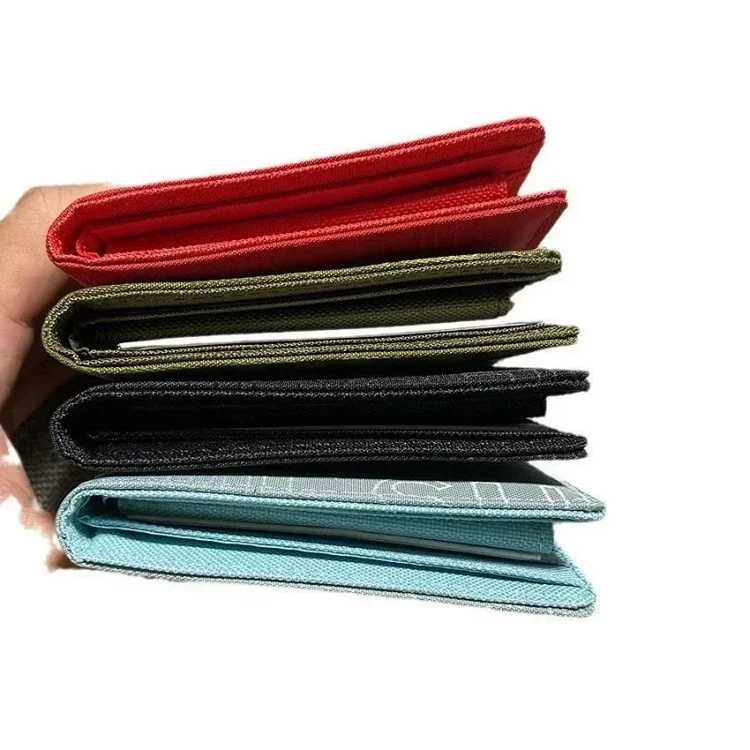
A useful PikoBuy spreadsheet record should answer a narrow set of questions before a shopper opens an agent page: what product is being described, which category it belongs to, what image and source price were visible, where the original listing points, and when those details were last checked. FindSpreadsheet currently organizes finds across shoes, hoodies, T-shirts, jackets, pants and shorts, headwear, accessories, jerseys, electronics and other items. That structure makes discovery faster, but it does not convert a listing into a guarantee.
Sources:FindSpreadsheet product database ↗PikoBuy’s official guide begins with product selection outside the purchase order. It names Taobao, Tmall, 1688, Weidian and Yupoo, asks the shopper to confirm specification, colour and size, and recommends saving item or store information. That means the spreadsheet should preserve the raw evidence needed to repeat the check. The independent record and the later PikoBuy order are different objects: one helps a reader investigate; the other contains account-specific selections, payment and warehouse status.
Sources:PikoBuy beginner guide ↗- Keep the original source domain and item identifier.
- Record the visible option context beside the price.
- Use a dated status instead of a permanent verified label.
- Treat the agent order as the final record of what was selected.
02 / MATCH BEFORE CONVERSION
A successful search result still needs to match the saved source
PikoBuy says shoppers can paste a product link or use keywords in its search box. That is a purchasing convenience, not an independent quality decision. After a link is imported, compare the destination title, primary image, seller information, variants and price with the spreadsheet record and the raw source page. Small differences matter: a familiar photograph can be reused across listings, a starting price can belong to the cheapest option, and a title can describe a family of products rather than the exact selection.
Sources:PikoBuy shipping estimate ↗PikoBuy beginner guide ↗If the item cannot be found, the official guide directs the shopper to customer service. Do not repair a missing result by silently substituting a similar listing. Preserve the broken or unavailable state, note the last successful check and search for a new candidate as a separate record. This makes the history understandable and prevents an old product reputation, photograph or price from being transferred to a different seller without evidence.
- Compare destination domain and item ID first.
- Match the image set rather than one thumbnail.
- Check whether the displayed price belongs to the chosen option.
- Create a new record when the source listing changes materially.
03 / PRICE BOUNDARY
Source price, first payment and delivered cost are not the same number
FindSpreadsheet product pages can preserve a source price for comparison. PikoBuy’s guide says the price is subject to the actual purchase and that an out-of-stock order will be refunded. The first payment therefore belongs to the purchasing stage. It may reflect the chosen colour, size, quantity, seller adjustment, domestic delivery or payment conversion rather than the starting figure saved in an editorial record.
Sources:PikoBuy returns and exchanges ↗FindSpreadsheet product database ↗PikoBuy beginner guide ↗International freight comes later. According to the official workflow, the shopper reviews the warehouse item, chooses a logistics route, submits the parcel and then pays the international shipping fee. Keep source price, actual purchase amount, domestic seller shipping, estimated international freight and final freight in separate fields. A low source price can coexist with a heavy or bulky parcel, and a dated USD conversion should never be presented as an invoice or a guaranteed landed cost.
- Retain the original currency and conversion date.
- Do not include estimated freight inside the product price.
- Record refunds and substitutions as order events.
- Wait for final parcel measurements before treating freight as exact.
04 / WAREHOUSE EVIDENCE
Warehouse photographs answer visible questions, not every question
PikoBuy describes warehouse handling as check-in, photo confirmation and defect checking. At this stage, compare what arrived with the saved listing and the selected order options. Count pieces, check visible colour and size labels, look for obvious stains or damage, and request category-specific evidence when an important view is missing. Shoes need profile, outsole, heel and size-label views; garments often need measurements, seams and print placement; bags need dimensions, hardware and interior views.
Sources:PikoBuy shipping estimate ↗The official shipping terms also set a boundary: special or professional products may not receive professional inspection, while additional detailed photographs may be purchased. A photograph cannot reliably establish fibre composition, internal electronics condition, long-term durability or authenticity. Write only what the image actually supports. If a decisive fact remains invisible, label it unknown and resolve it while the item is still in the warehouse rather than upgrading uncertainty into a positive claim.
Sources:PikoBuy forwarding and shipping terms ↗- Use a category-specific photo checklist.
- Separate visible condition from hidden performance.
- Request a missing decisive view before parcel submission.
- Preserve labels and packaging while a return may still be needed.
05 / RETURN TIMING
A strong product record must leave room for the warehouse return decision
PikoBuy’s return policy does not describe a universal return right. For the standard process, the seller must offer the return guarantee, the product must remain in the resale condition required by the seller and it must have been in the warehouse for no more than five days. The policy counts 120 hours from the next hour after the order status changes to In Warehouse and says applications may not be accepted after that period.
Sources:PikoBuy returns and exchanges ↗The policy also lists exclusions and special condition standards. Customized goods, intimate apparel, food, second-hand products, products with removed labels or accessories, and several opened or sealed categories can be outside the standard process. An unconditional return can include the freight back to the seller, the seller’s original shipping fee and an RMB 5 service fee. A spreadsheet should therefore prompt early inspection; it should not encourage a shopper to wait until international dispatch before resolving a mismatch.
Sources:PikoBuy returns and exchanges ↗- Record the exact warehouse timestamp.
- Check eligibility before removing seals or tags.
- Keep enough balance for applicable domestic return charges.
- Use the official account for approval and final fee allocation.
06 / PARCEL DECISION
The spreadsheet remains useful only when it makes uncertainty visible
PikoBuy’s estimator asks for destination, product type, weight, length, width and height. Its guide says routes differ in delivery time and billing method. Those facts explain why a spreadsheet cannot attach one permanent shipping price or delivery promise to a product. Use the product record to anticipate category, weight and packaging questions, then repeat the estimate with the final packed parcel and the routes actually available to the destination.
Sources:PikoBuy shipping estimate ↗FindSpreadsheet product database ↗After dispatch, the guide says tracking information will be available within three days. That statement begins at shipment, not at purchase or warehouse arrival, and it is not a three-day delivery promise. PikoBuy’s terms say third-party logistics providers carry parcels and identify customs action, damage, loss and peak-season delay as cross-border risks. A useful research record keeps dispatch, first scan and delivery separate and sends parcel-specific problems to official support.
Sources:PikoBuy forwarding and shipping terms ↗PikoBuy contact ↗PikoBuy beginner guide ↗The best spreadsheet does not pretend to remove risk. It shows the evidence, the date, the unanswered questions and the correct place to resolve them.
NEXT / PRODUCT RESEARCH
Continue with a traceable product record
Search the main database for a current product record, preserve the source URL and date, and keep official PikoBuy account actions separate from independent research.
Browse the product database ↗